How Predictive Cable Monitoring Prevented a Potential Signalling Failure
August 12, 2026
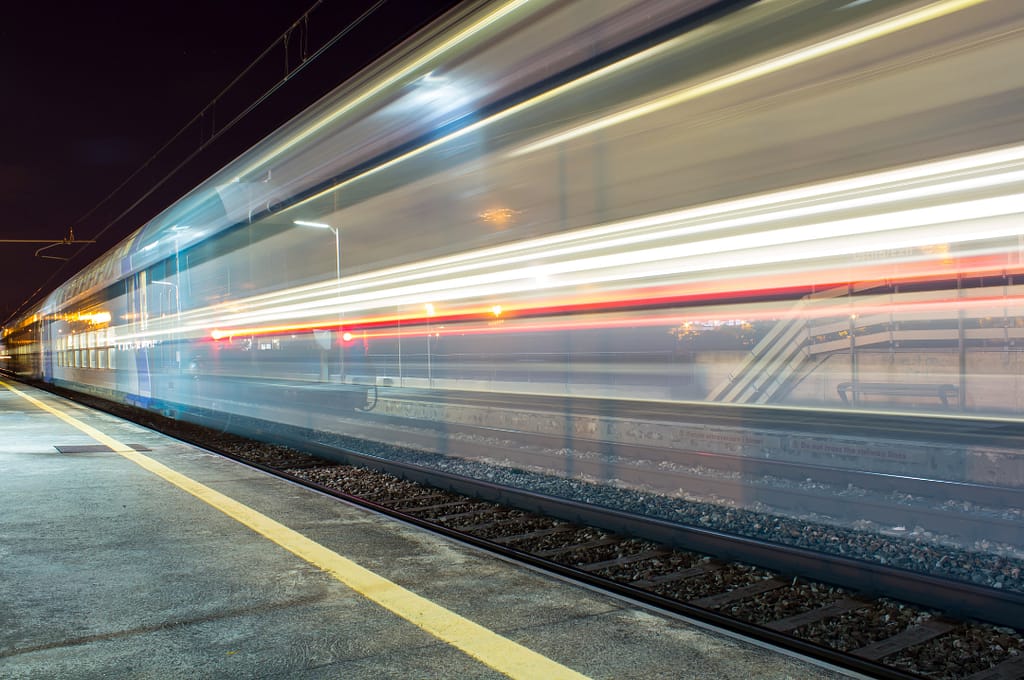
For rail infrastructure managers, preventing signalling failures is always better than reacting to them. On a busy route in Network Rail’s Southern Region, continuous insulation resistance monitoring identified severe cable degradation months before an outage could occur.
Engineers used early warning trend analysis to pinpoint the affected section, investigate the cause, and replace the damaged cable during routine maintenance—preventing up to £1 million in Schedule 8 penalties without disrupting train services.
The Challenge: Hidden Risk on a Key Mainline Route
Maintaining reliable signalling power infrastructure is essential for safe, punctual railway operations. However, subtle cable deterioration often goes undetected until it triggers a catastrophic service failure.
On a major mainline serving the second busiest station in the UK, permanent CableGuardian Tier 1 monitoring was deployed to track asset health. In October 2025, continuous data picked up subtle, repeated drops in insulation resistance (IR) on a specific signalling feeder.
Crucially, as weather fluctuated, the cable dried out and IR levels temporarily recovered. Without continuous, long-term trend analysis, this seasonal drying would have masked the underlying defect, leaving a timebomb on a route where a single failure can cause 10,000 delay minutes.

The Viper Solution: Turning Data into Intelligence
Rather than relying on isolated spot checks, Network Rail utilised Viper’s monthly fleet reporting to look at multi-month asset trends.
While individual readings suggested the cable was “recovering” during drier months, Viper’s long-term trend analysis revealed an underlying trajectory of decay. The report highlighted this developing anomaly, giving engineers the precise insight needed to investigate on-site.
The root cause was unexpected: severe vermin damage to a cable installed around 2017. Despite being less than ten years old, the asset was significantly compromised. Armed with exact fault-localization data, Network Rail replaced the damaged cable section during planned summer 2026 maintenance—completely avoiding emergency possessions and mainline delays.
Results & Benefits:
Zero Passenger Disruption: The damaged section was replaced during planned maintenance, keeping train services running normally.
Significant Financial & Risk Mitigation: Protected Network Rail from an estimated 5,000 to 10,000 delay minutes and up to £1 million in Schedule 8 financial penalties.
Targeted Maintenance Efficiency: Precise fault localization reduced investigation time on-site, allowing engineers to focus resources exactly where required.
Condition-Based Asset Management: Proved that asset health is driven by real-time condition, not age alone—validating the power of predictive maintenance over assumptions.

Intelligence Installed in Action
This project demonstrates that even modern signalling cables are vulnerable to external environmental factors like vermin. By pairing permanent Tier 1 monitoring with Viper’s analytical reporting, Network Rail converted subtle data changes into actionable engineering decisions.
The takeaway for rail infrastructure managers: Asset age is just a number; real-time condition is what counts.
That’s Intelligence Installed.